Our Australian friends all seem to ask the same question: “Why the heck would you want to go to Wagga Wagga?” So maybe that’s a good place to start!
The short version is that we had about ten days between leaving Melbourne and when we wanted to arrive in Sydney, so a couple of stops along the way made sense. Plus it’s a twelve hour train ride from Melbourne to Sydney – Australia is big, and the trains are the opposite of high speed – and that was longer than we wanted to ride in one shot. Wagga Wagga is on the main train route, about a third of the way along, so it was an obvious choice.
But also, Wagga Wagga is actually an interesting place! It’s a relatively old city, by Australian standards, having been officially founded as a village in 1847. It’s the regional economic and cultural hub for the Riverina, a large agricultural area in south-central New South Wales. It’s fairly large, at about 70,000 people, and quite prosperous. It’s an interior city, which is a nice contrast to the coastal cities we’ll mostly be seeing in Australia. And it has some fun things to visit.
So, after Louise kindly dropped us off at Melbourne’s Southern Cross Station, we were on a train and Wagga Wagga bound.
Aside: we’re travelling Australia on a Transport New South Wales Discovery Pass, which covers almost all regional train and coach (bus) transport in New South Wales (where Sydney is), and connects to Melbourne (which is in Victoria) and Brisbane (in Queensland). That’s where the vast majority of Australians live, including all of Karen’s Australian family. The pass is only available to foreign visitors, and it’s an amazing deal: a one-month unlimited pass is currently $275 Australian, but you can get a three-month pass for only $23 more. We figure the pass will pay for itself in about six short trips, or four longer ones.
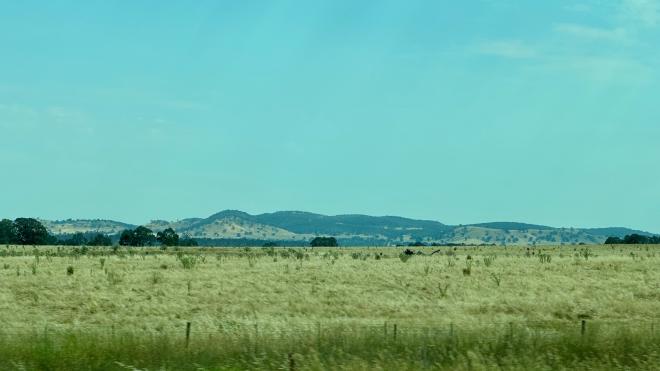
This view out the train window is pretty typical of the interior landscapes we saw on the ride. There were some rivers and treed areas, but most of it was wide open. There were a lot of cattle, plus occasional kangaroos.
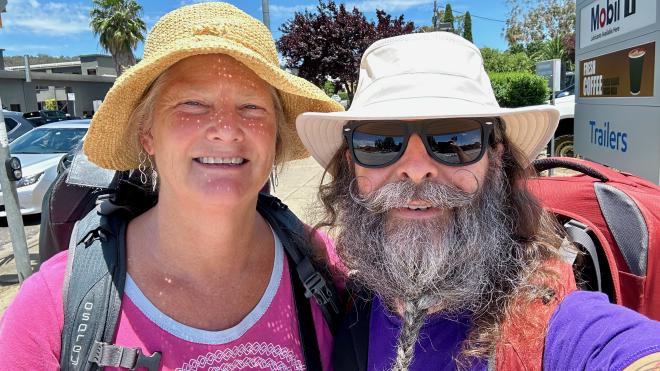
After a bit under five hours we arrived in Wagga Wagga. Armouring ourselves against the Australian sun, we headed into town.
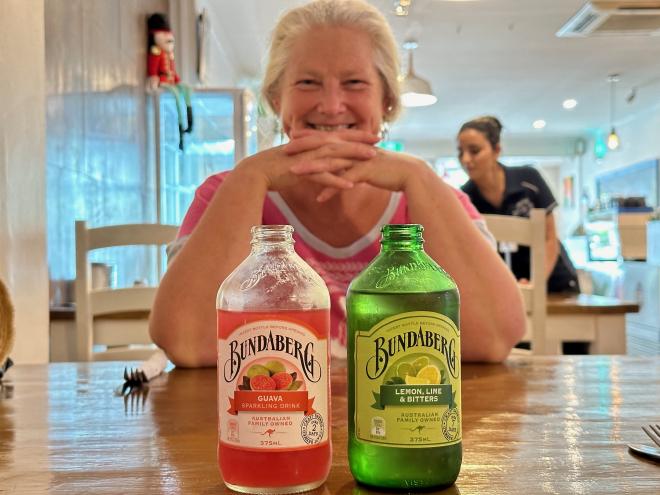
Our AirBnB wasn’t available for another hour, so we stopped at Jardine’s Cafe on the main street for some lunch. This was our first exposure to Bundaberg, a popular Australian drinks company, and Lemon, Lime & Bitters, an iconic Australian flavour.
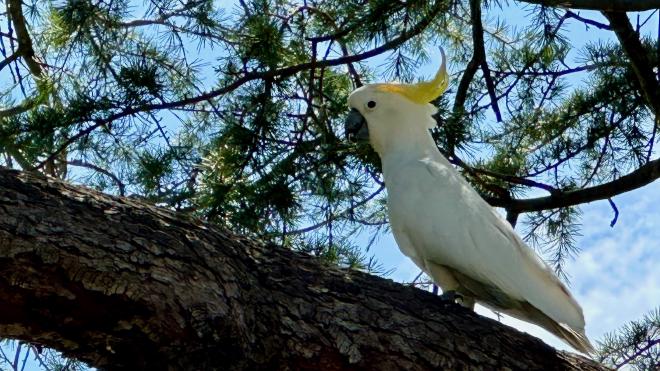
From the Cafe we hiked to our apartment, a distance of about two kilometres. Along the way we passed this Greater sulphur-crested cockatoo. Cockatoos are widespread in eastern and northern Australia, and are very happy to live in suburban environments where they’re known for opening garbage cans and destroying the wood on decks. They’re also extremely loud!
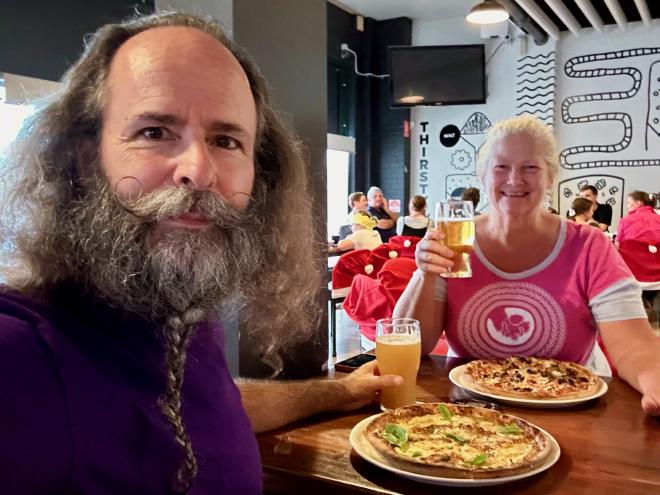
After settling into our apartment, we headed to the Thirsty Crow brewery for dinner. The crow theme comes from one interpretation of the name Wagga Wagga, which can be taken to mean “the place of many crows”. Note the Christmas decorations on the chairs! Both the beer and the pizza were excellent.
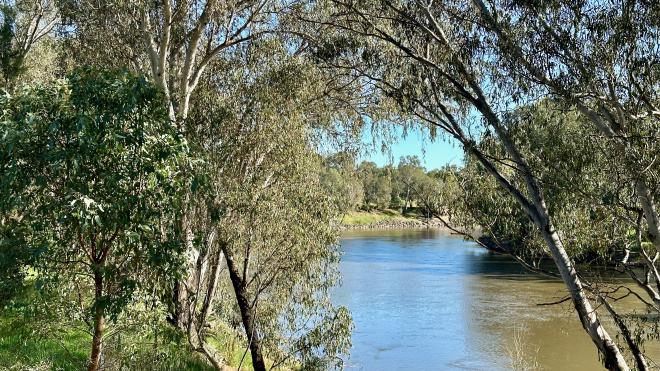
The next morning Greg headed out for a run along the Murrumbidgee River, which flows across the north of the city. The Murrumbidgee is prone to flooding in the wet season, so there’s a massive dike on its south bank to protect the town. Along the top of the dike is a recently-opened cycling and running path, which made for a very pleasant route.
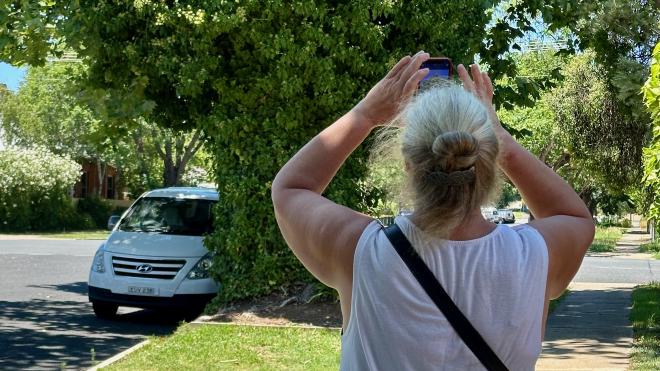
Around noon we headed out to visit the City of Wagga Wagga Botanic Gardens. Near our apartment we passed this tree, which Karen had noticed when we were grocery shopping the day before. Here’s the usual picture of Karen taking a picture of a plant.
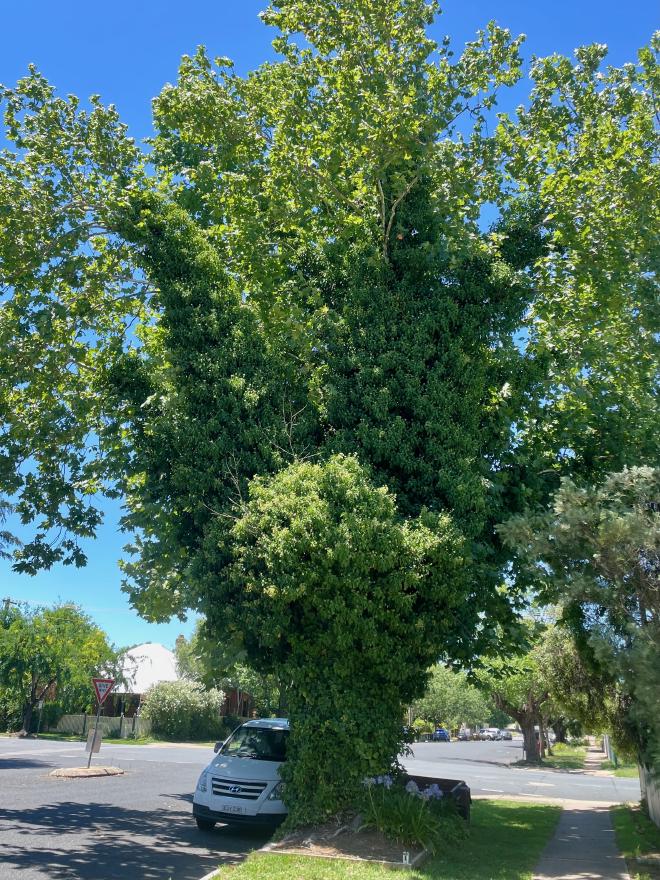
And here’s something slightly less usual: the picture she took! If you look closely you’ll see that the bottom three quarters of the tree have been entirely choked out by a vine. Very pretty, but certainly not good for the tree, in the long run!
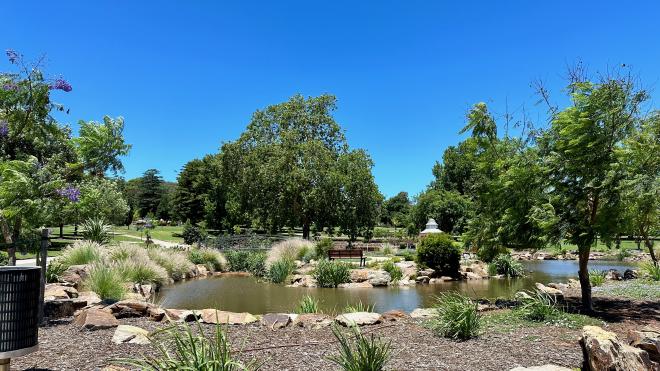
After a walk of about three kilometres we arrived at the Botanic Gardens. These include the gardens themselves, part of which you can see here, as well as a zoo, playground and picnic area, and miniature railroad (which was out of service during our visit). Admission to everything is free.
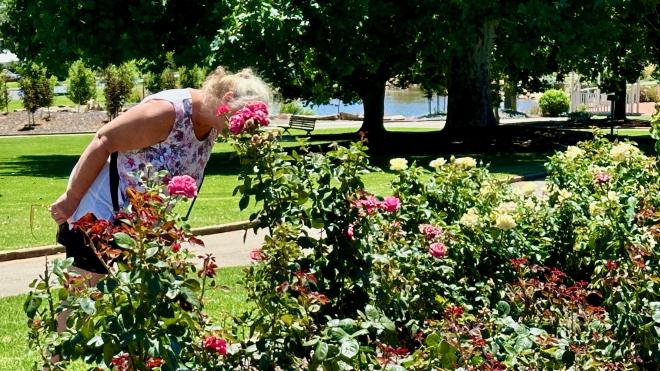
As usual, Karen can’t not stop and smell the roses.
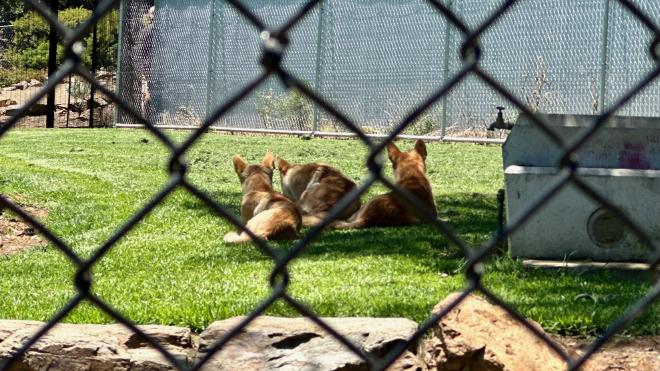
The zoo features mainly native Australian animals, plus a few imports. We have mixed feelings about zoos in general, but were happy to be able to see a few of the native animals for the first time on their own continent. The dingoes weren’t really interested in talking to us. Perhaps if we’d brought a baby?
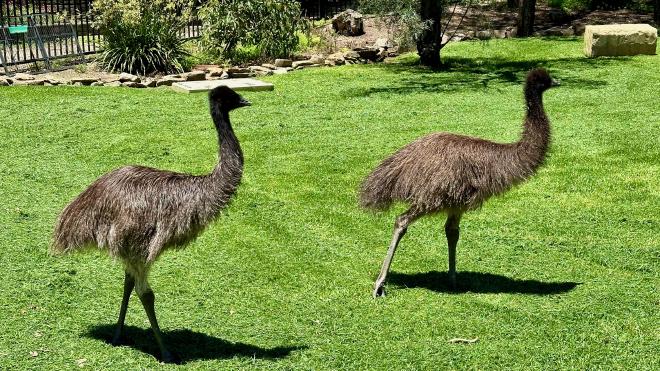
Emus are found only in the eastern part of Australia. They feature on the Australian coat of arms, along with the kangaroo, and were chosen for that because neither animal is capable of walking backwards.
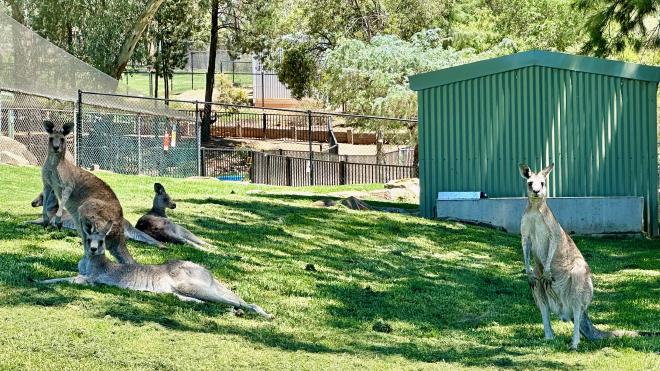
Speaking of kangaroos, these are Eastern Greys, the most common kangaroo in this part of the country. They’ve been clocked moving as fast as 64 kilometres per hour. These ones were averaging about zero. Kangaroos are mostly nocturnal, and tend to doze in the shade during the day.
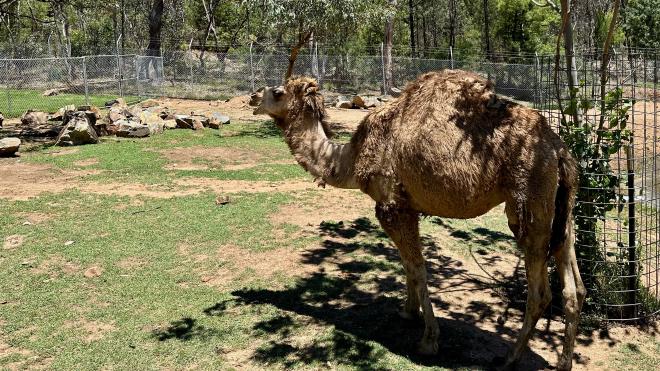
Dromedary camels aren’t native to Australia, but were introduced in the late 19th century for expeditions into the Australian interior and subsequently saw widespread use transporting goods. When motorized transport became more common in the early 20th century, many of the camels were simply released into the wild. Australia now has the world’s largest population of feral camels, mainly in the western interior. In 2013 the population was estimated at 600,000. Since camels eat almost anything and are quite destructive to their habitats, the population has been culled to below 300,000 and is actively managed.
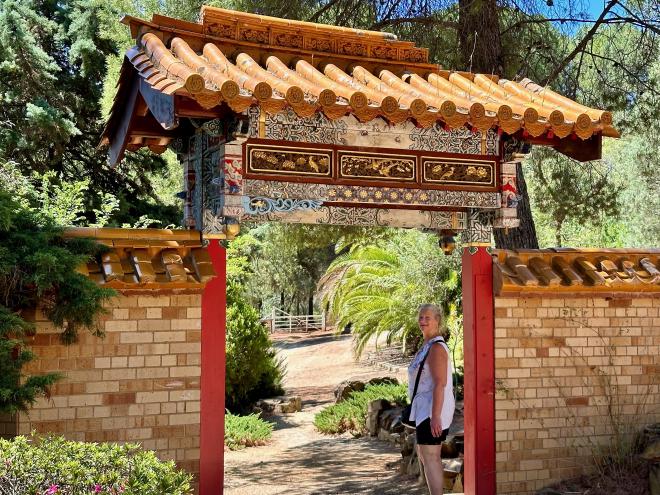
Just outside the zoo is a Camelia Garden, constructed as a gift by the city of Kunming, which is Wagga Wagga’s Chinese sister city. Wagga Wagga also has a U.S. sister city, but tragically it’s Leavenworth, Kansas, not Walla Walla, Washington. Talk about your missed opportunity!
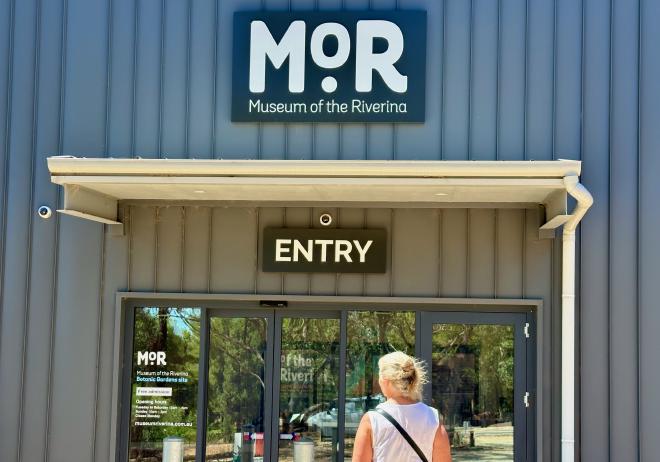
From the Gardens we walked to the Museum of the Riverina. There’s also a branch in the centre of Wagga Wagga, but it was closed for an exhibit changeover.
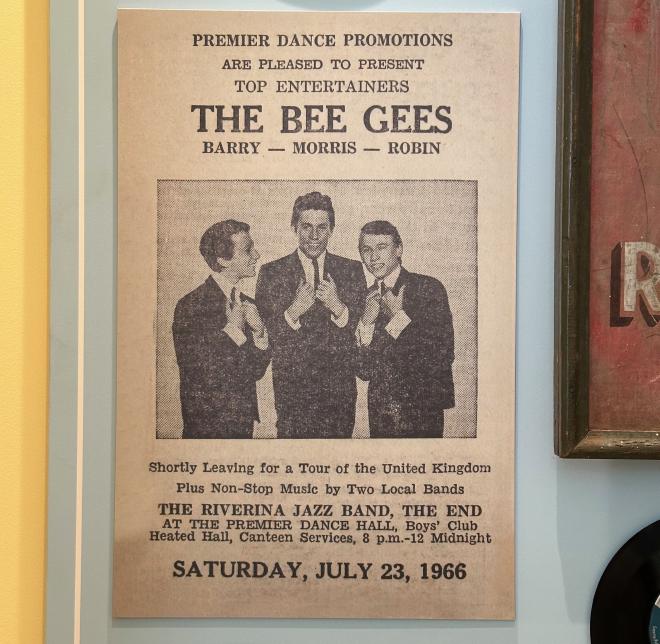
The museum was quite well done and had a wide range of exhibits about the history of the region. Apparently the Bee Gees spent part of their early career in Wagga Wagga, “working at the Police Citizens Youth Club, writing music, and boxing till the early hours of the morning.”
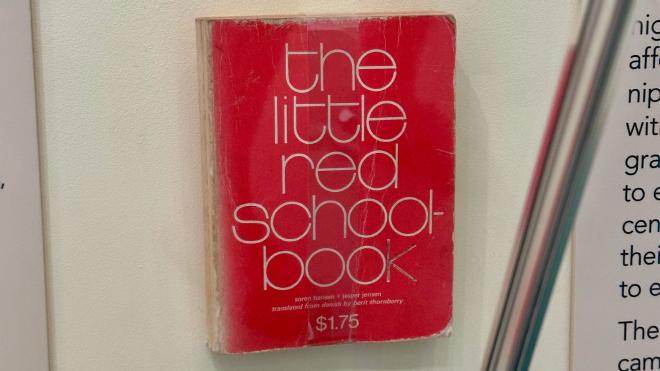
The Little Red Schoolbook was originally published in Denmark, but an Australian edition was released in 1972. It was mostly advice on how students could work with schools and teachers to bring social change. However, “of the 200 pages, 20 were about sex and 30 were about drugs, smoking and alcohol”. This led to the book being banned in schools from fear its ideas “would encourage young people to resist authority”.
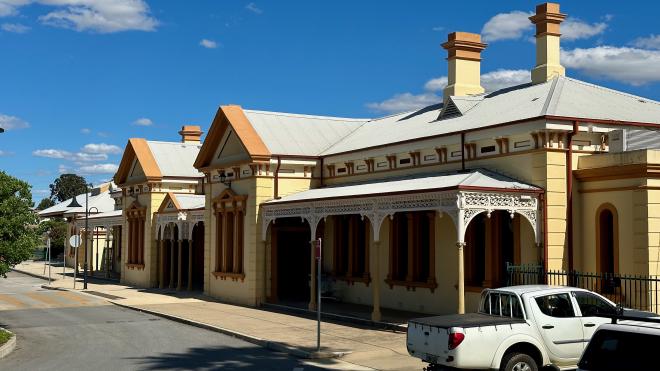
On the way back to our apartment we passed Wagga Wagga’s charming train station, which we’d neglected to photograph on arrival.
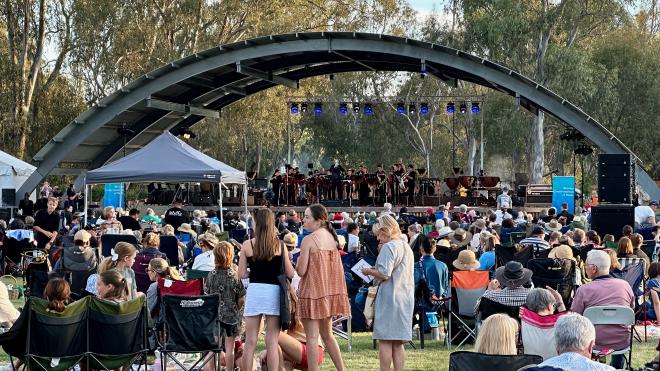
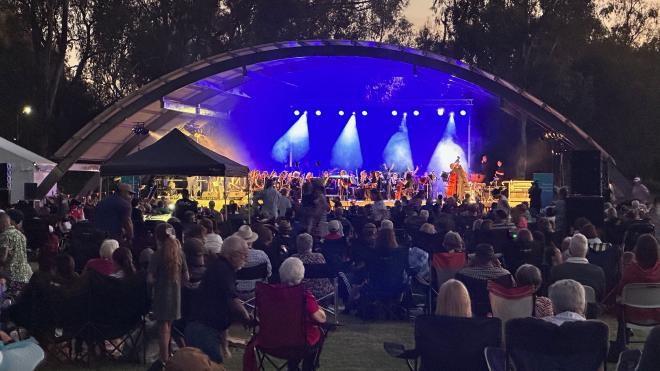
The next two days were mostly down time, but on the evening of the 16th we headed to the Riverside Precinct for “Christmas with the Con”. The Con, as it’s known, is more properly the Riverina Conservatorium, a music school headquartered in Wagga Wagga but with branches in several of the surrounding towns. The idea of an outdoor Christmas concert in a park is a little alien to us cold-December Canadians, but it definitely works in Australia.
The concert featured groups ranging from a string orchestra of five and six year olds to middle-aged semi-professionals. Several of the performances featured singing by young students who had recently been awarded vocal scholarships to the Conservatorium. One of the featured songs was Walking in a Wagga Wonderland, which you can find on YouTube. The lyrics are only marginally poetic, but at least more appropriate to a warm climate than the original.
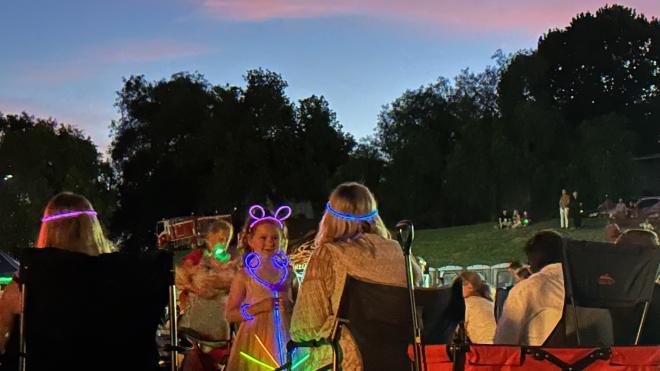
Without actually counting, we’d estimate there were over a thousand people in the crowd. There were food vendors, people distributing free insect repellent (’though we never saw an insect), and a lot of families having fun with glowy things. We also got to watch the bats come out from the trees as the sun went down.
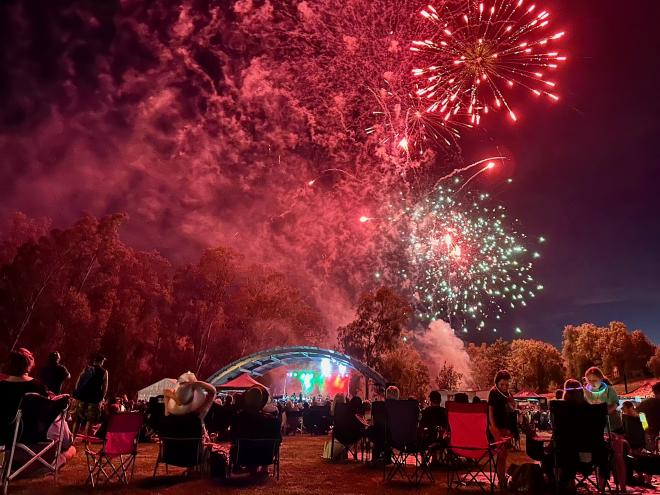
The concert closed with the 1812 Overture, accompanied by fireworks, which were very well received.
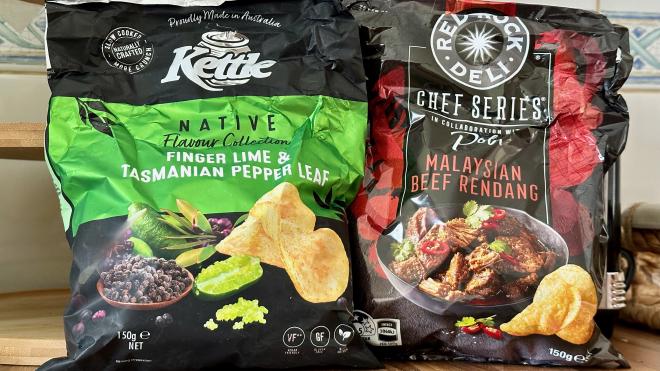
Back at the apartment it was time for a snack. Here are a couple of uniquely Australian crisp (chip) flavours.
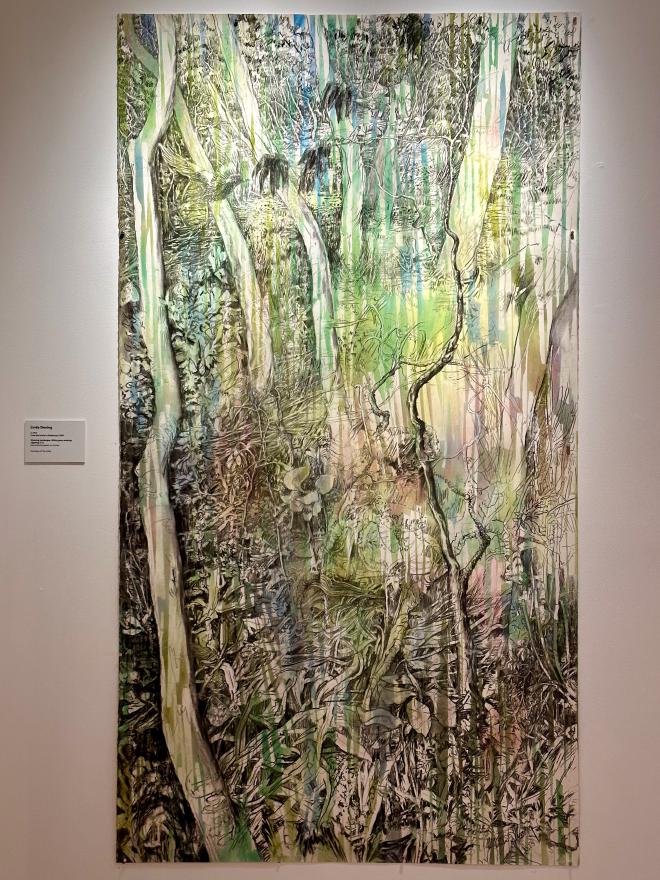
On our last day in Wagga Wagga we took a stroll to their very impressive art gallery. We particularly liked this piece, by Linda Denning, part of a four-artist exhibit called Staying With the Trouble.
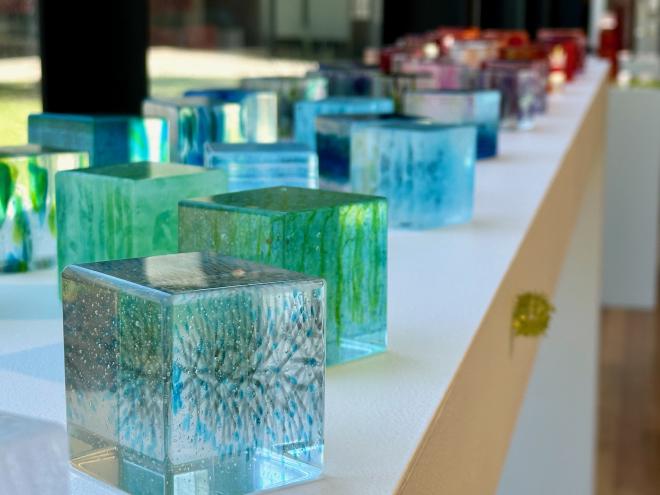
Adjacent to the main gallery is a second gallery, long and narrow with lots of windows, that’s entirely displays of glass art. This piece, by Yugoslav-born Australian artist Emma Varga, consists of fifty glass cubes, each representing a significant moment in the last fifty years of her practice.
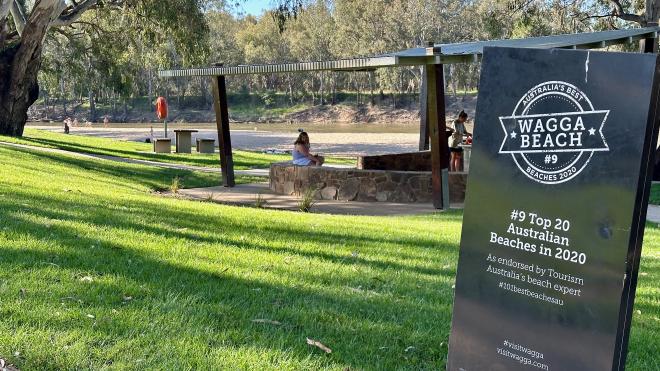
From the gallery we walked to Wagga Beach, a natural sand beach on a bend in the Murrumbidgee. It’s a nice spot, with lots of sun and shade, plenty of lush grass, and a cooking and picnic area.
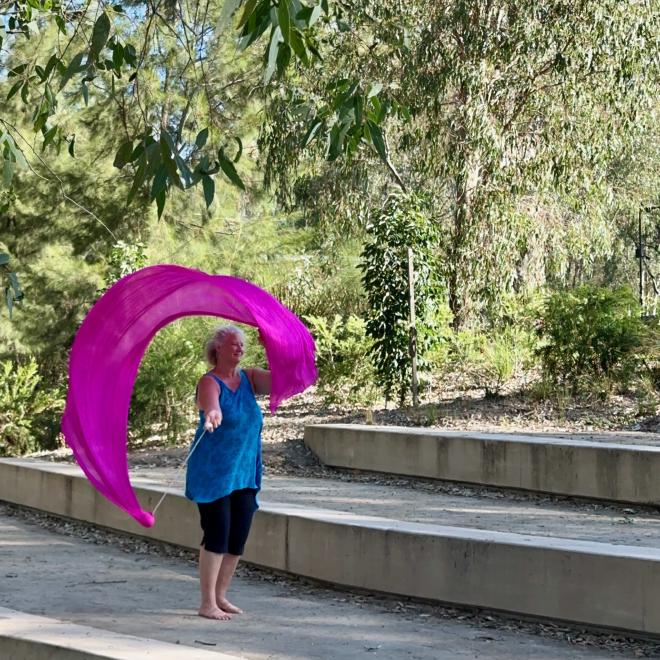
We hung out at the beach for a while. Greg juggled and Karen swung poi. A family that had been swimming in the river stopped to chat for a bit, and it turned out they were the owner-instructors of the local circus school. They were very happy to see someone doing circus in their town, but sad when we told them we’d be leaving the next day.
And that’s just what we did. The next morning we checked out of our apartment and walked back to Jardine’s Cafe, where we had a delicious brunch while waiting for our train. Then it was off to Wollongong!